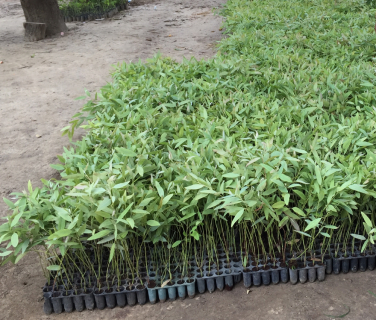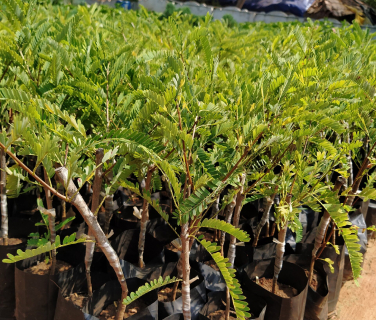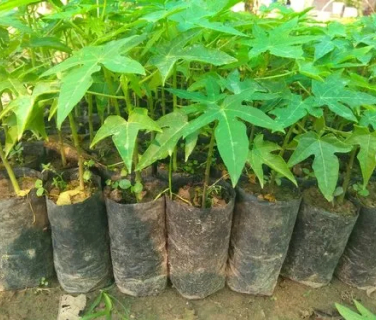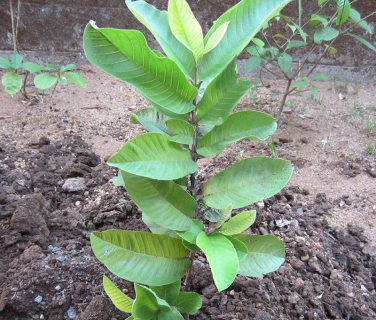
Pomegranate Plants

Pomegranate Plants

Pomegranate Plants

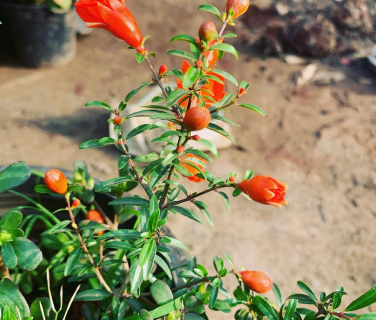
A deciduous shrub that reaches heights and spreads of between 12 and 20 feet, the pomegranate (Punica granatum) features multiple, thick stems covered with reddish-brown bark that turn grey as the tree matures. Provide your pomegranate plant with enough water, sunlight and fertilizer to ensure it thrives.

Pomegranate Planting & Care

  • Plant your pomegranate seedling in soil with a pH of between 5.5 to 7.0 and full sunlight to partial shade.
  • Loosely work the soil before planting the pomegranate 6 to 9 feet apart if creating a hedge.
  • In an orchard setting, a space of 15 to 18 feet is adequateIrrigate your pomegranate tree every seven to 10 days.
  • On average, the tree requires 50 to 60 inches of water per year. For instance, provide the tree with a 5- to 6-inch drink of water every 10 days. Hold off on your regular irrigation schedule if Mother Nature is adequately irrigating your pomegranate trees. Check that the soil around your pomegranate is evenly moist during late summer to early fall to help prevent fruitsplitting
  • Provide your young pomegranate tree with 2 to 2 1/2 pounds of 8-8-8 fertilizer in March and November.

Pomegranate Uses

Ornamental Use:

  • The plant is also used for the ornamental purpose

Medicinal Use:

  • Fruit containsFiber, Protein, Vitamin C, Vitamin K, Folate, Potassium
  • Note- Please consults your health advisor before application or consuming of plants or plant parts

Culinary Use:

  • Mature fruits are used as the edible fruit and making the juice
  • Note- Please consults your health advisor before application or consuming of plants or plant parts

Recent Products