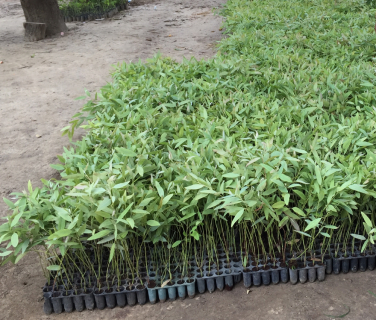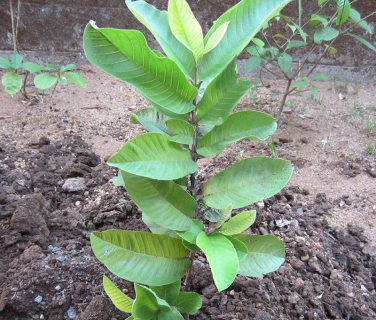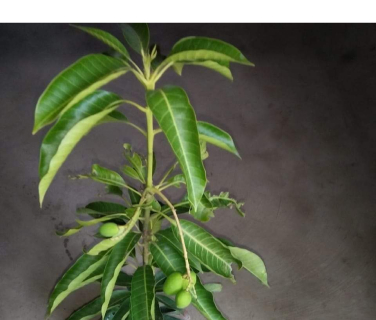
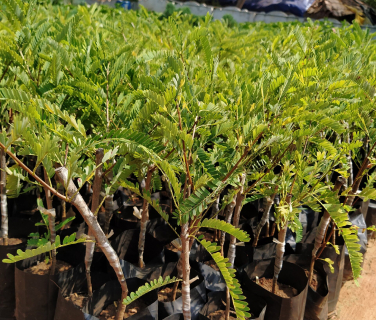
Amla Plants

Amla Plants

Amla Plants

Amla is used in traditional Indian subcontinent recipes, in various cuisines and in Ayurveda for its medicinal values. All parts of Amla tree are useful, its leaves, roots, fruits, seeds, bark, and flowers are used to prepare a variety of items like juice, chutney, jam, infusions, lotions, concentrates, herbal teas and other natural concoctions.

Amla Planting & Care

Requirements for Growing Amla Tree

  • Position: Plant Amla tree in a location that is less windy and sunny. The well-draining and sloppy position is good for its growth.
  • Soil: Well-drained, loamy to light heavy soil that is deep and rich in organic matter is required forgrowing amla tree. A pH level can be between slightly acidic to slightly alkaline. The waterlogged and clay-rich soil is detrimental and must be avoided, same is the case with too sandy soils.
  • Watering:Regular and abundant watering is essential at the young age. Once the tree gets established it doesn’t require regular and frequent watering. However, you can water the plant during the period of active growth or in a drought like conditions in summer. Watering 2-3 times in a month in summer is sufficient for a mature tree. In any case, water stagnation must be avoided.
  • Temperature:Amla tree is tough and resistant to exploits of climate. It bears mild snowfall during winter months in the forest of Western Himalayas and tolerates extreme heat and dry atmosphere in tropical India. It is sensitive to prolong freezing temperatures and grows best when it is not exposed to frost.
  • Spacing:Space the Amla tree approx. 20-30 feet away from each other. However, in forests these trees grow more densely.

Amla Tree Care

  • Pruning:Prune it back to keep in shape and control each year in December or January in tropics and in spring in subtropics. All the dead, damaged, diseased branches or the ones that are entangled and crossing each other must be removed time to time. If the tree starts to produce less fruit, cut it back to about five feet in the spring to rejuvenate it.
  • Fertilizer: Since you are growing it for yourself, our recommendation is to use only natural fertilizers. Application of aged manure is sufficient for this tree. Although, if the tree is producing poorly, you can fertilize it with fruit fertilizer according to the product’s instructions.
  • Mulching: Do thick mulching with lots of organic matter at the end of spring to help the substrate in retaining moisture.
  • Pests and Diseases: In diseases, it can be infected by rust. Pest like caterpillars, mealybugs or other general garden pests may infect it.
  • Harvesting:Growing amla tree from seed takes around 5 years to produce fruits. Fruits are hard and glossy, of dull green color. Fruits generally appear from January to March in tropics.

Amla Tree Uses

Medicinal Use:

  • Used in many ayurvedic and pharmaceutical preparations
  • It has several medicinal properties such as antiviral, anticancer, antidiabetic, antibacterial and anti-inflammatory properties
  • Note- Please consults your health advisor before application or consuming of plants or plant parts

Culinary Use:

  • Amla is used in sauces, candy, dried chips, pickle, jellies and powder
  • Note- Please consults your health advisor before application or consuming of plants or plant parts

Recent Products